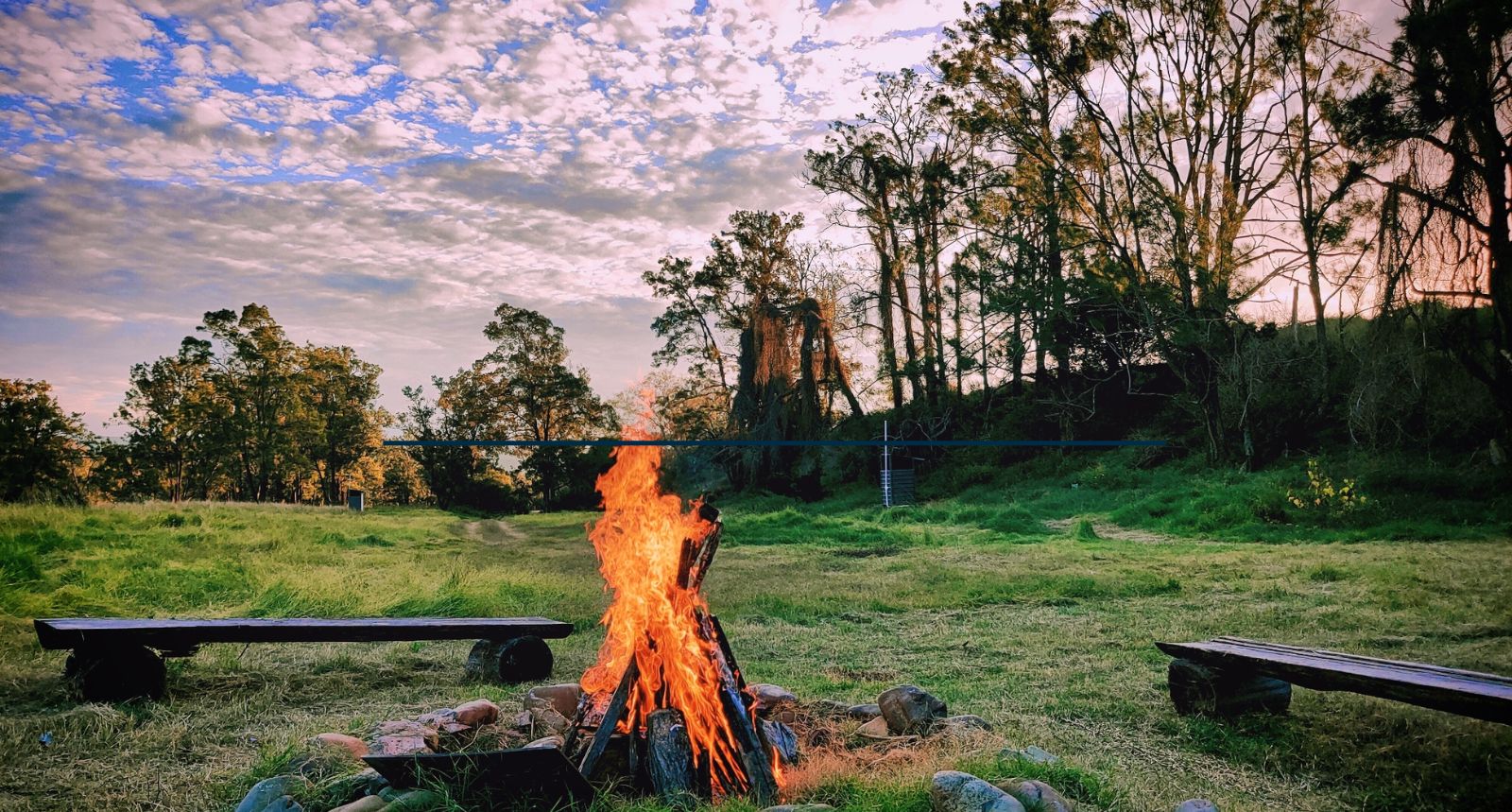
Image: Not all smoke signals danger. Campfires, burn-offs and dust can look like bushfires from a distance, often leading to false alarms during fire season. Image via Canva
Every bushfire season, too many fire trucks race out to calls where they’re not actually needed.
It might be smoke from a backyard burn, a camping trip, or a small bonfire that’s already out. Sometimes it’s just dust on a windy afternoon.
It’s nobody’s fault. After all, we’re all taught to call 000 when we see smoke. However, every false alarm ties up crews who might be needed somewhere else. Knowing a little more about how smoke is spotted, verified and reported can help everyone in the community play their part.
Why false alarms happen
False alarms in bushfire season usually start with a well-intentioned call. Someone sees smoke on the horizon and reports it before checking if it’s already being monitored. In rural areas, that can mean multiple reports of the same smoke column, or several trucks heading out to check a campfire that’s safely contained.
Crews always prefer people err on the side of caution, but false alarms do have a cost. Responding to even one false report can take a team off the line for an hour or more, especially if the area is remote or difficult to reach.
How smoke is checked and verified
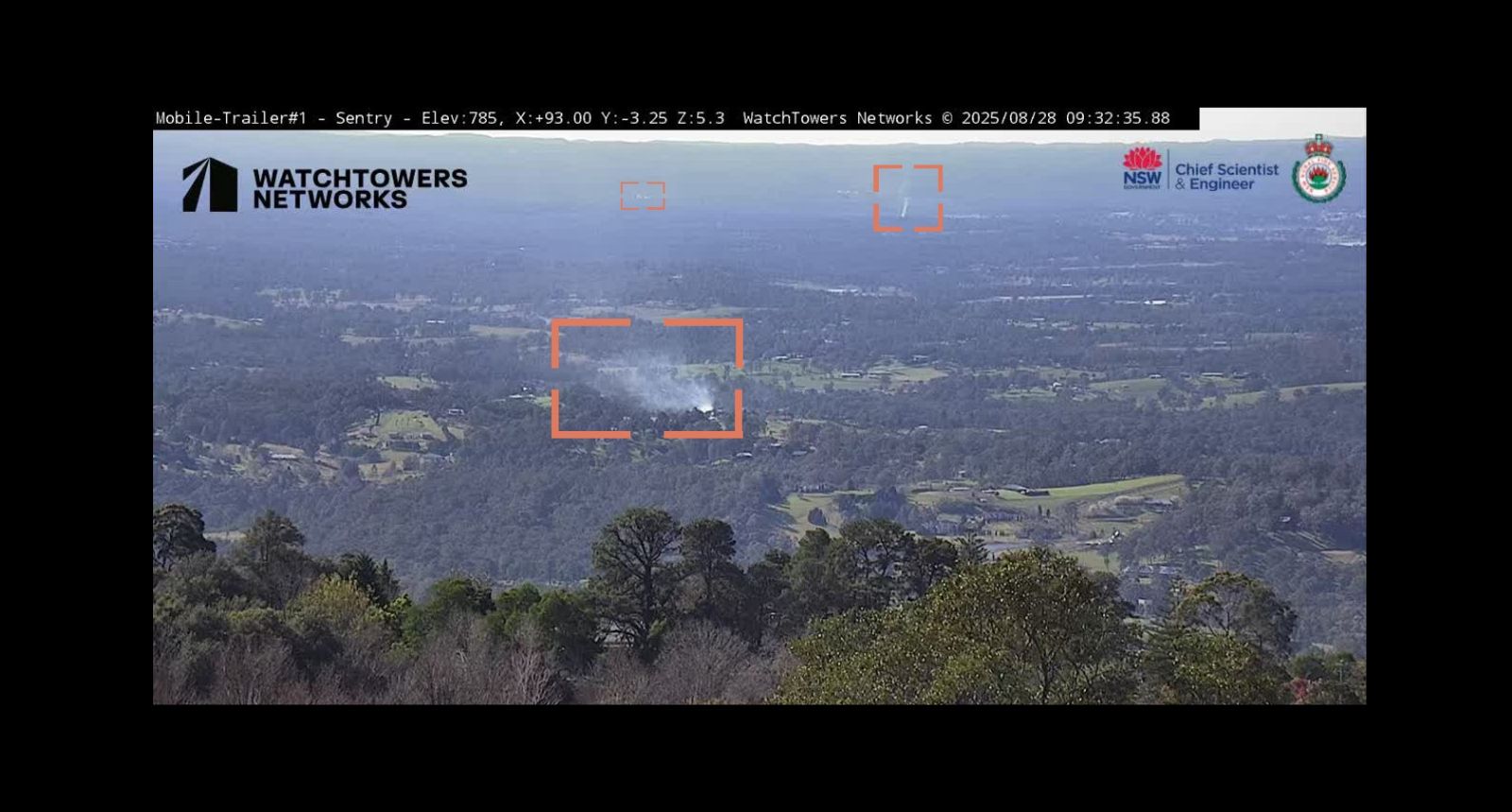
When a 000 call comes in, local fire control teams assess what’s been reported. However, smoke can look very different depending on distance, wind and light. That’s where technology helps.
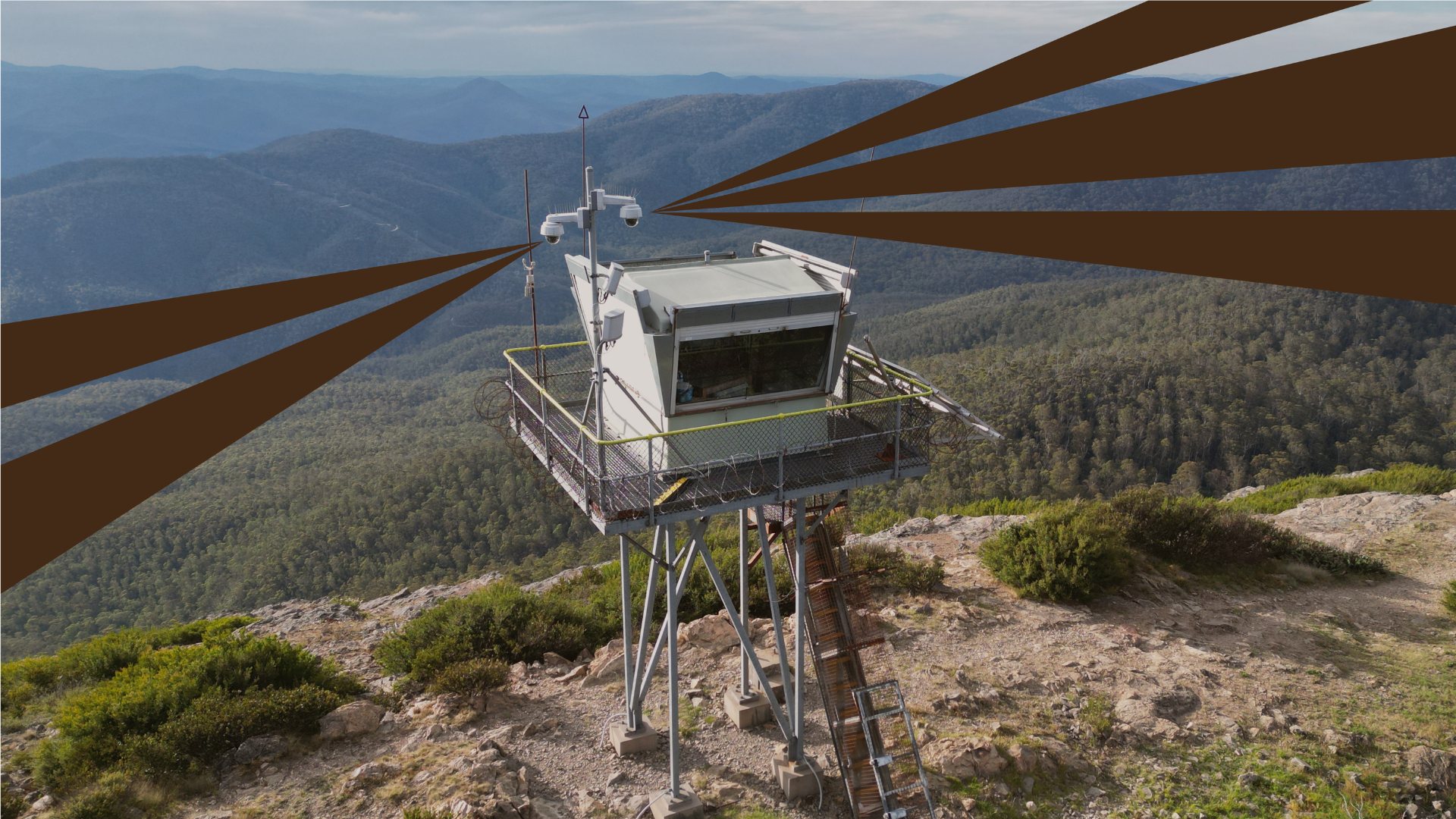
Our network of fixed and Mobile WatchTowers gives agencies live camera feeds from high-risk areas through the Command dashboard. If smoke appears, trained operators can zoom in and confirm what’s happening within seconds. This verification process stops unnecessary callouts while keeping real fires front of mind.
Behind the scenes, Lookouts.Ai adds an extra layer of intelligence to this process. It’s our in-house Australian-built AI smoke detection model that powers the WatchTowers network. Trained on thousands of real smoke events, it recognises how smoke behaves in local landscapes, helping operators tell the difference between a burn-off, dust cloud or true ignition.
Fewer false positives mean fewer wasted callouts and faster confirmation when something real appears on the horizon.
What you can do to minimise false alarms
Even with the best detection systems, communities still play the biggest role in reducing false alarms. A few simple actions make a real difference:
1. Register your burns
Before lighting up, check if you need a fire permit. In many areas, you must notify your local Rural Fire Service (RFS) and neighbours at least 24 hours in advance. That way, when smoke appears on the cameras or someone reports it, crews already know it’s a planned burn.
Learn more in our guide: Why Fire Permits Matter: Staying Safe Before You Light Up.
2. Check before you call
If you see smoke on the horizon, open Hazards Near Me (if you’re in NSW) or WatchTowers CentralWatch to see if it’s already listed or under control. These platforms show verified fires and hazard reduction burns in real time.
Read more here: What to Do When You See Smoke in Bushfire Season.
3. Stay alert, not alarmed
If the smoke looks close or you can see flames, call 000 immediately. Operators will ask for clear directions (landmarks, roads or cross streets) to help get crews there fast.
To find out why speed matters, see What Really Happens in the First Five Minutes of a Bushfire.
Why this matters
A single false alarm might seem like it isn’t a big deal, but they add up. Across NSW alone, crews respond to around 47,000 false fire alarms every year. And they’re not cheap to attend. The average false alarm costs NSW services about $4,700 per call-out, once you factor in time, fuel, equipment wear and operational disruption.
Every unnecessary callout means fuel, time and volunteer hours that could be focused elsewhere. On days of high Fire Danger, when crews are stretched thin, that can make a real difference to response times and community safety.
Faster verification through technology like WatchTowers is helping fire services manage this balance, by helping them respond quickly to real threats while filtering out the rest. It’s part of a broader effort to make every second and every crew count.
A shared watch
Fire safety is a team effort. Technology like WatchTowers helps, but it works best when communities are informed and prepared. By registering burns, checking official apps and sources, and understanding how false alarms happen, we can all help keep emergency services focused on the fires that matter.
This bushfire season, stay calm, stay connected and be part of the watch in your community. Register for your CentralWatch account today.

.jpg)
.jpg)